
Montezuma National Wildlife Refuge Field Trip – Registration Opens August 14, 2022 at 7:30pm
We’ll be looking for waterfowl and migrating shorebirds. Expect to see herons, eagles and possibly falcons.
We’ll be looking for waterfowl and migrating shorebirds. Expect to see herons, eagles and possibly falcons.
The East Spit of Braddock Bay is a well-known spot for migrating shorebirds in late summer. Herons, eagles, Osprey and early warbler migrants are also possible. The trail is a woodland path between Lake Ontario and the Braddock Bay Marshes.
We’ll be looking for shorebirds, warblers, and other fall migrants along the river and lakeshore. At Charlotte Beach, we’ll look for gulls in many plumages and some shorebirds, too.
If you had to select two words to characterize Australian birds, they might be strange and beautiful. There are bird families that have spectacular colors, some that have ancient origins, and others with unusual behaviors.
This preserve includes about 240 acres of land that is made up of a variety of birding habitats. This results in decent birding lists throughout the year. The trails are well marked and maintained.
We’ll be looking for thrushes and other migrants. Durand can be surprising this time of year. This will be an easy 2-3 hour walk mostly along paved roads, with a steady medium grade at one point.
The Brickyard Trail is a wide, flat, fine gravel, multi-use trail situated between Elmwood Avenue and Westfall Road in Brighton (across from the east end of Buckland Park). It contains woods at both ends and ponds and marsh in the middle, providing good bird habitat.
We’ll be looking for waterfowl and migrating shorebirds. Expect to see herons, eagles and possibly falcons. There will be a number of stops during this mostly driving trip.
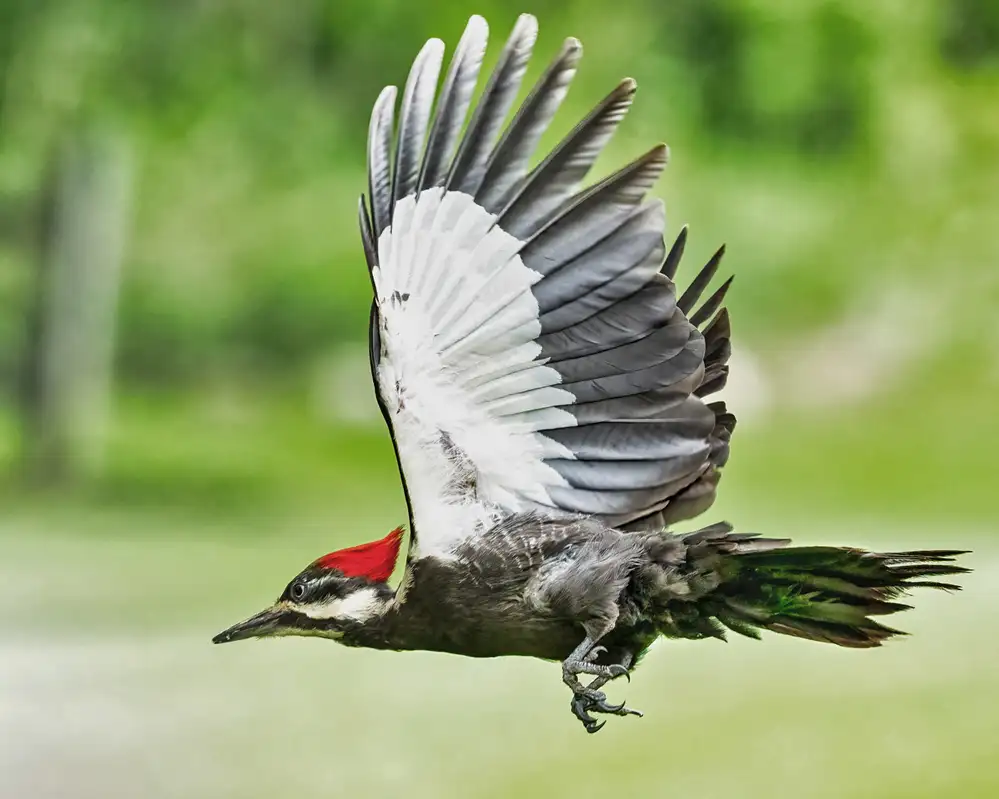
We’ll look for migrant ducks and various passerines in this “get to know Iroquois in autumn” trip. This trip is a combination of driving and walking and includes a boardwalk, forest trail, and dirt road.
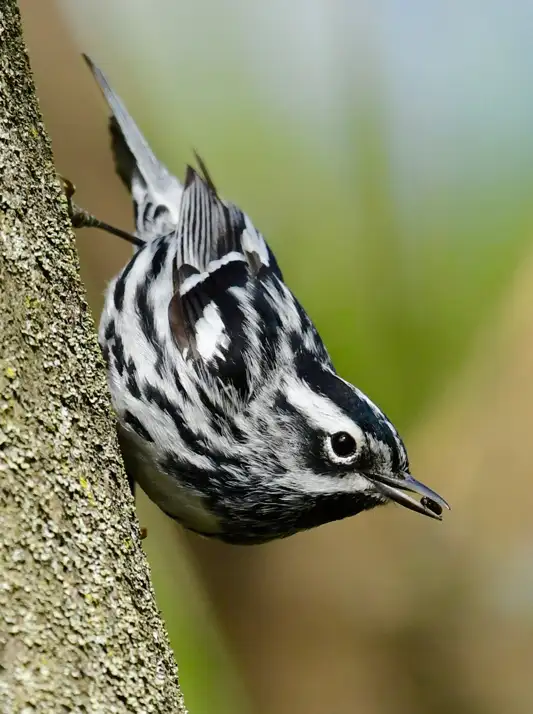
We’ll start off walking flat wooded and brushy areas of the park, looking for thrushes, sparrows, and maybe a half-hardy warbler or two. After that, we’ll stop by the lake watch to view ducks on the water and in flight, learning about the lake watch process.
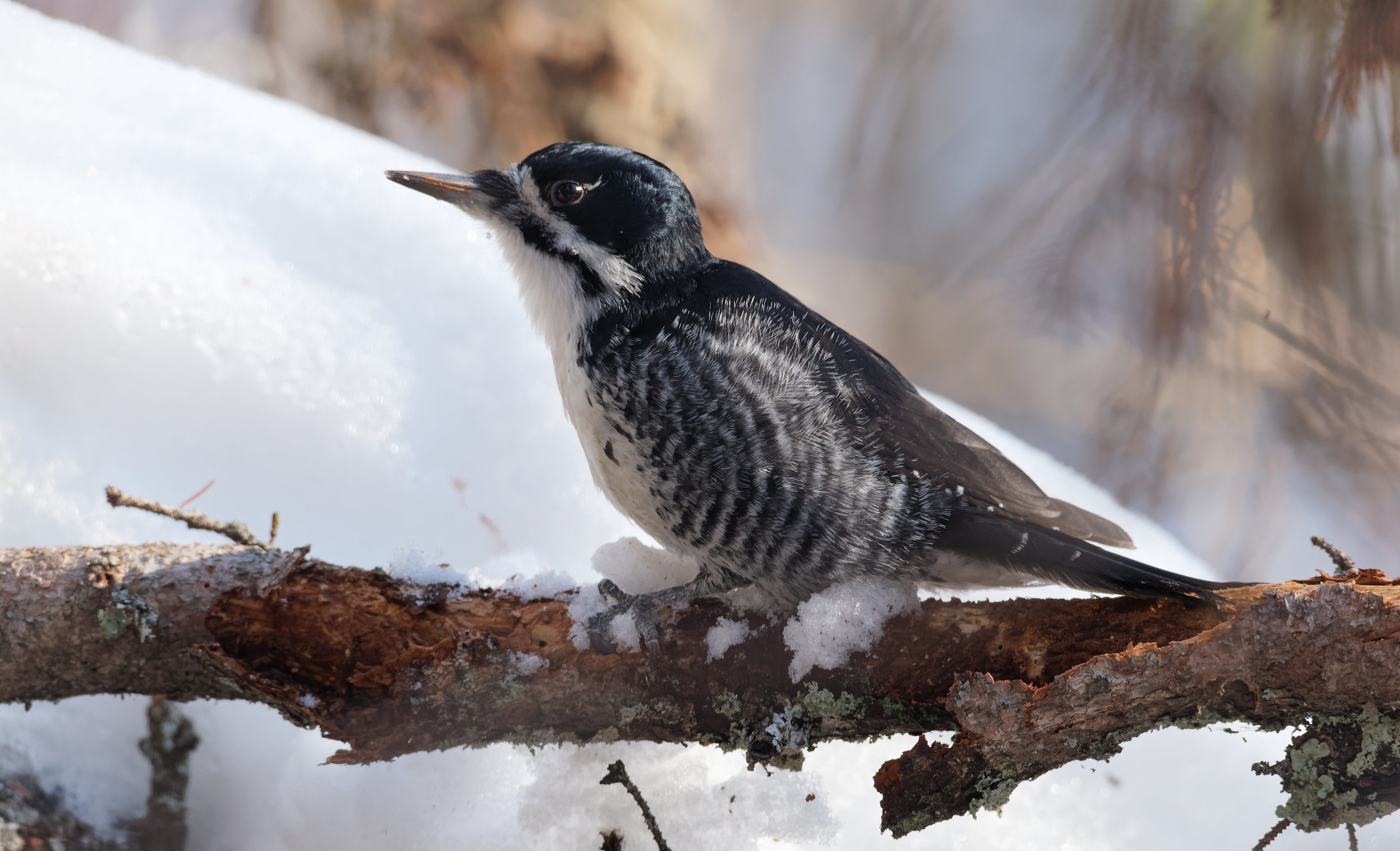
How do we harness new scientific knowledge and use it as a tool for change? In this program, Dr. Andrew Stillman will share new findings from ongoing research efforts and describe what it means for bird conservation.
How do we harness new scientific knowledge and use it as a tool for change? In this program, Dr. Andrew Stillman will share new findings from ongoing research efforts and describe what it means for bird conservation.
The Rochester Birding Association is proudly sponsored by The Bird House
The biggest and best selection of bird feeders, houses and hardware in western New York. Learn more at thebirdhouseny.com »
COFFEE DRINKERS:
WE RECOMMEND:
Rochester Birding Association © 1987 - 2026